Signs Your Chimney Needs Cleaning After Heavy Winter Use in Santa Cruz, CA
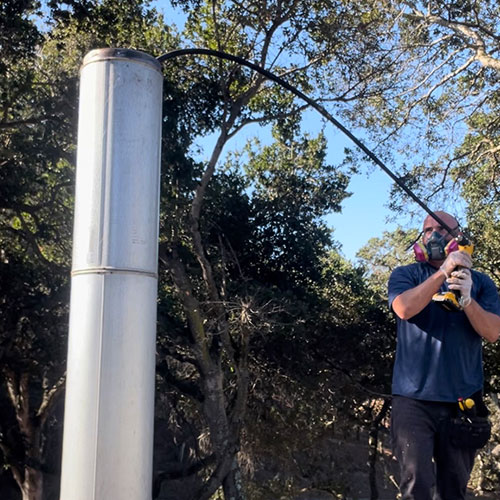
When the weather turns wet and chilly in Santa Cruz, many homes from Seabright to Scotts Valley lean on the fireplace day after day. That steady use leaves soot and creosote inside the flue, which can choke airflow and raise safety risks. If you noticed anything off during your last few fires, it may be time to schedule professional chimney sweeping so your system is safe and ready for the next cold snap.
This guide explains the most common warning signs after a busy burn season, why they appear, and the next steps to protect your home with chimney services. You will also see how local moisture, coastal winds, and storm debris across neighborhoods like Aptos, Capitola, and Felton can make problems show up faster.
What Heavy Winter Use Does To Your Chimney
Every fire produces soot and creosote. Soot is soft and powdery. Creosote is dark, sticky, and can harden into a shiny glaze. The more fires you burn, the more residue collects on the flue walls and smoke chamber. In our coastal climate, cool, damp air can mix with smoke to create sticky deposits that cling to brick and metal surfaces.
Windy storms can also drop leaves, ash, and small bits of debris into uncapped or poorly sealed chimneys. That extra material combines with residue and narrows the passage where smoke should flow. Over time, you get a chimney that struggles to draft, which is why simple fires feel sluggish or smoky even with dry wood.
Clear Warning Signs After Frequent Fires
Here are signals homeowners across Westside, Live Oak, and the San Lorenzo Valley often notice right after winter:
- Smoke backs into the room when you start a fire or when it dies down.
- Strong, tar-like odors in the living room, especially on wet or foggy mornings.
- Black soot, flakes, or fine dust are settling on the hearth, mantel, or nearby floors.
- Fireplace that feels weaker, requires more kindling, or takes longer to get going.
- Visible dark stains on the damper, in the firebox, or around the chimney opening.
Smoke That Lingers Or Backs Up
If smoke hesitates at the opening or rolls into the room, the flue may be restricted. A buildup or a partial blockage prevents hot gases from rising. In Santa Cruz homes near the coast, dense evening fog can exaggerate this effect by cooling smoke quickly. If you saw gray haze hanging near the ceiling, treat it as a red flag.
Odors That Get Worse In Damp Weather
Creosote has a sharp, smoky smell. Moisture from rain or marine layer air can wake that odor up even when the fireplace is off. A sour or campfire-like smell that shows up after storms or during foggy mornings often points to soaked residue inside the flue. That is a sign that a cleaning and inspection will help.
Heavy Soot Or Dust On Surfaces
Fine black dust on the hearth and nearby furniture means residue is moving. It can enter the room when you open the damper or as air pressure changes throughout the day. If you also notice crunchy flakes in the firebox, that may be bits of creosote or chimney lining that broke loose.
Reduced Heat And Fussy Fires
A clean chimney drafts well. When the buildup narrows the flue, the fire starves for oxygen and wastes heat up the stack. Fires burn weaker, logs smolder, and you end up using more wood for less warmth. If your living room in Capitola or Soquel felt cooler than usual even with steady fires, the flue may be overdue for service.
New Noises, Bird Nests, Or Debris
After windy storms, you might hear fluttering, rattling, or tapping near the cap. Birds or small animals can find shelter in a damaged cap or open flue. Twigs, leaves, or nesting material in the firebox are signs of a blockage higher up. Do not light another fire until the system is checked.
How Santa Cruz Weather Makes Problems Show Up Faster
Local weather plays a big role in how often you need cleaning. Foggy nights and rainy weeks mean more moisture touching creosote, which makes smells stronger and residue stickier. In hillside areas like Felton, Ben Lomond, and Boulder Creek, tall redwoods can drop needles and small branches that end up near the cap or crown. Beach bungalows near Pleasure Point and Seabright face gusty wind shifts that can push smoke down if the flue is restricted.
Homes vary too. Older masonry chimneys in historic areas might have rougher flue surfaces where residue clings. Newer systems draft differently and can hide buildup until performance drops. Either way, the pattern is the same: frequent fires plus coastal moisture equals residue that needs to be cleaned out.
When To Schedule A Professional Cleaning
Most homeowners benefit from a yearly cleaning and system check after the burn season, particularly if you use the fireplace several days a week. If you notice any of the signs above, do not wait. Pairing a cleaning with a thorough chimney inspection helps catch cracked masonry, damaged dampers, and cap issues before they grow.
If you burn softwood or have a stove that runs hot and steady, residue can build faster. Stormy weeks can also push debris into the flue. When in doubt, book a visit so a technician can assess the inside of the system and recommend timing for your home and fireplace style.
What Technicians Look For During Chimney Cleaning
Certified chimney professionals use specialized tools to remove soot and creosote from the flue, smoke chamber, and firebox. They also look for early signs of wear so you can address them on your schedule. While every home is different, a typical service includes:
- Brushing and vacuuming soot and creosote to restore clear airflow
- Checking the cap, crown, and flashing for storm damage or gaps
- Inspecting the damper for smooth operation and a tight seal
- Scanning for cracks, loose mortar, or glaze-like buildup
- Confirming there are no obstructions or nesting materials
Removing residue not only improves safety, but it also cuts the smoky smell that can hang in the room on damp mornings. Many homeowners say the fireplace lights faster, and the glass doors stay cleaner longer after a proper chimney soot removal service.
Smoke, Odors, And Weak Heat: What They’re Really Telling You
Smoke in the room means exhaust is hitting resistance. Odors mean residue is reacting with moisture. Weak heat means poor draft and incomplete combustion. All three point to the same root cause: a chimney that needs attention. If your living room smelled like a campfire long after the flames went out, or if logs smoldered instead of crackling, those are clear cues to clean the system and have the draft assessed.
If a carbon monoxide alarm ever sounds, stop using the fireplace until a professional checks it. Do not try to “burn it hot” to clear the flue. That can make a bad situation worse. A sweep can determine whether residue, blockages, or mechanical issues are to blame and restore safe operation.
Why Local Homes Benefit From Pro Service
Santa Cruz homes sit in a unique microclimate. Cool marine air, tall trees, and stormy weeks make chimneys work harder. Professional cleaning removes the buildup you can see and the hidden glaze you cannot. It also gives you a snapshot of your system’s condition, so small problems like a loose cap or worn damper do not turn into leaks or lingering smoke later.
For many homeowners, the biggest benefit is peace of mind. After cleaning, fires start more easily, glass doors stay clearer, and the living room warms up faster. If you have guests or plan to rent your home seasonally, a clean, odor-free fireplace makes a strong first impression.
Simple Ways To Reduce Future Buildup
Without diving into DIY, there are a few high-level habits that help your system perform better between visits. Burn seasoned firewood, give fires room to breathe, and avoid overloading the firebox. If your home is near tall trees, consider a quality cap to deter leaves and small animals. These small choices keep soot down and help your next service go smoothly.
For more seasonal advice and safety reminders tailored to local weather, browse more fireplace and chimney tips from our team.
Ready To Book Chimney Cleaning In Santa Cruz?
If you saw smoke hang in the room, smelled sharp odors on damp mornings, or spotted black stains, your system is sending a message. Scheduling chimney sweeping now helps your fireplace burn cleaner, and your home feel safer before the next stretch of cold weather.
Many neighbors find it helpful to add a system check at the same visit, especially after wind and rain. It is a simple way to confirm the cap, crown, and damper are doing their job. If you ever wondered who to call for reliable fireplace cleaning in Santa Cruz, reach out to Safeguard Chimney Sweep Company at 831-201-8156, and we will guide you through easy scheduling.
Work With A Trusted Local Team
From West Cliff homes to cabins up Highway 9, our technicians understand how local weather and frequent winter fires affect draft and residue. We offer friendly service, clear communication, and a focus on safety. If you want a helpful overview of services and seasonal care, start with our reliable chimney services in Santa Cruz, CA and explore what fits your home best.
Take The Next Step
If your fireplace struggled after a busy winter, that is your cue to act. Install working carbon monoxide detectors, note any smoky starts or damp odors, and schedule service before the next cold front moves in. For thorough cleaning, inspection guidance, and a safer, fresher fireplace, contact Safeguard Chimney Sweep Company at 831-201-8156 or book your next chimney sweeping today.
Breathe Easy with Our Comprehensive Chimney Services! Contact Safeguard Chimney Sweep Company In Santa Cruz Today!