Common Chimney Problems in Coastal California Homes
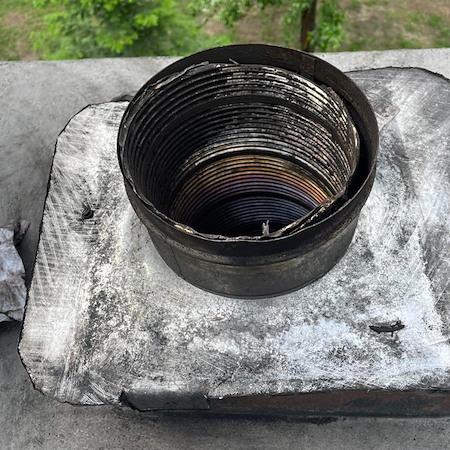
Ocean air, fog, and quick weather changes make fireplaces around Santa Cruz work harder than most. If you live in Pleasure Point, Seabright, the Westside, or nearby towns like Capitola and Aptos, you’ve likely seen how salt and moisture wear on exterior materials. That same mix targets your chimney first. A timely chimney inspection helps you catch small issues before they become leaks, odors, or smoke problems.
This guide explains the top chimney problems in coastal homes, why they happen, and how a qualified chimney contractor protects your fireplace for the long haul. You’ll see what signs to watch for and when to bring in Safeguard Chimney Sweep Company to evaluate the system with a trained eye.
Why Coastal Homes Face Unique Chimney Problems In Santa Cruz, CA
Coastal chimneys face constant exposure to salt spray, heavy morning dew, and cool marine layers. Moisture settles into masonry and metal parts, then the afternoon sun heats everything up. This daily cycle expands and contracts materials, opening tiny gaps that water quickly exploits. Over a season, those gaps become cracks, rust, and stains that impact safety and performance.
Older brick stacks in Live Oak or Soquel often show early signs after a rainy winter, while newer metal systems near the bluffs can corrode faster than expected. The takeaway is simple: coastal forces accelerate wear even when you barely use the fireplace.
The Most Common Chimney Problems We See
Salt Air Corrosion On Caps, Crowns, And Flashing
Salt crystals draw moisture and speed up rust on steel tops, chase covers, and flashing. You may notice orange streaks on the chimney face or a rattling cap on windy days. **Rust on caps and flashing invites leaks** that can stain ceilings and damage framing if not addressed.
Moisture Intrusion And Efflorescence
When water seeps through masonry, minerals migrate to the surface and leave white, powdery residue called efflorescence. Persistent moisture also darkens bricks and can lead to musty odors inside the firebox. Over time, freeze-thaw cycles in cold snaps cause the face of bricks to flake, a problem known as spalling.
Cracked Crowns And Chimney Tops
Concrete crowns and mortar at the top of the stack take the brunt of sun and storm exposure. Hairline cracks collect water, which widens the gaps. Left alone, these openings let rain track down the interior walls and into the attic.
Flue Liner Damage
Clay tiles can shift or crack, and metal liners can corrode. Gaps in the liner let heat and byproducts reach combustible areas of the home. That raises risk and often causes smoke to draft poorly.
Creosote Build-Up Near The Coast
Even light seasonal burning creates creosote, and our cooler, moist air can make it stickier. If logs smolder during damp evenings, residue coats the liner faster than expected. **Creosote is highly flammable and should be managed by a professional**, not scraped or treated by homeowners.
Animal And Debris Nesting
Gulls, small birds, and raccoons look for shelter in uncapped or loose-capped chimneys. Nests and leaves restrict airflow and can push smoke back into living spaces. They also introduce odors you’ll notice after a storm.
Seismic Movement And Settling
Minor seismic shifts can loosen mortar joints or tilt a cap out of alignment. While the movement may be small, it can break waterproof seals, which leads to staining and leaks during the next rain.
How Professional Chimney Inspections Catch Issues Early
A certified technician examines the structure from cap to hearth. That includes the crown, flashing, exterior masonry or chase, firebox, damper, smoke chamber, and the full flue path. If needed, camera tools document the liner so you can see exactly what’s happening inside.
- Visual and camera checks confirm liner condition and draft path.
- Moisture and corrosion checks pinpoint weak seals and rusted fasteners.
- Documentation explains priorities so repairs are done in the right order.
If you’re noticing stains on ceilings near the chimney or a new musty odor, it’s smart to book a thorough chimney inspection before the next rainy stretch.
Weather Patterns In Santa Cruz That Affect Your Fireplace
We see long stretches of morning fog and marine layers across Santa Cruz from late spring through early fall. In winter, quick-moving storms drive rain sideways against windward walls and chimney faces. That combination forces water under loose flashing, into crown cracks, and through porous brick or stone.
Homes close to the shoreline in Twin Lakes or Capitola Village get more salt exposure, while properties in Scotts Valley face cooler nights and occasional frost. Both situations put extra stress on chimneys, just in different ways.
Signs You Should Schedule A Chimney Inspection
Some symptoms are subtle. Others are hard to miss. If you spot any of these, it’s time to bring in Safeguard Chimney Sweep Company to evaluate the system:
- White, powdery residue or dark stains on the exterior chimney
- Rust on the cap, chase cover, or flashing, or a cap that rattles
- Musty smells from the fireplace, especially after rain or fog
- Smoke backing up when starting a fire or difficulty getting a steady flame
- Loose bricks, cracked crown, or bits of tile in the firebox
Curious about seasonal care between professional visits? This article pairs well with our practical overview on chimney maintenance tips to help you understand what pros look for during routine service.
Trusted Repairs And Preventive Care For Coastal Chimneys
Once an inspection identifies the root cause, a skilled chimney contractor can recommend targeted repairs. That may include cap replacement, resealing the crown, restoring mortar joints, or replacing sections of the liner. Sealing and weatherproofing products designed for masonry in moist, salty air help protect your investment over the long term.
Homeowners around Seacliff, Rio Del Mar, and Live Oak often ask how to extend the life of an older stack. The answer starts with regular evaluations and focused improvements that keep water out. **Water is the enemy of chimney longevity**, and stopping it at the top is usually the most cost-effective path.
For a broader view of what we offer beyond inspections, you can browse our full chimney services to see how maintenance and repairs work together to keep your system in shape.
What A Coastal-Focused Inspection Looks For
Chimney systems vary by age and material, so a proper evaluation is tailored to your home. In coastal California, pros place special attention on these items:
Corroded components need quick attention to prevent leaks. Technicians check the cap, crown seal, and flashing seams with a bright light and mirrors. On masonry stacks, they assess the mortar’s hardness and look for hollow joints that sound different when tapped.
Inside, the team examines the damper for smooth operation, scans the smoke chamber for gaps or exposed brick, and reviews the liner for cracks, warping, or offset tiles. Draft is tested to confirm smoke exits the top under normal conditions, even during cool, damp evenings.
How Santa Cruz Homeowners Benefit From Scheduling Early
Coastal weather rarely waits. Small openings made in spring can become stained ceilings by fall. Early inspections reduce the chance of moisture making its way into your framing or living room and help your fireplace light easier when you want that first cozy burn.
We also find that planning work before the first cold snap makes scheduling smoother. You’ll avoid last-minute rushes and have time to choose the best long-term fix for your home.
Local Neighborhood Context You Can Use
Each part of Santa Cruz brings its own challenge. Homes near the cliffs in Davenport face stronger winds that can loosen caps. Properties tucked into redwood shade in Felton see slower drying after storms. Houses close to the beach in Seabright and Capitola experience salt-laden mist many mornings in a row.
These microclimates help explain why two chimneys the same age can look very different. The right inspection schedule and targeted upgrades keep both chimneys working safely, just on different timelines.
Planning Your Next Step With A Pro
If you’re researching chimney problems in Santa Cruz, CA and wondering where to start, begin with a professional evaluation. Our team at Safeguard Chimney Sweep Company takes clear photos, explains priorities in plain language, and helps you map a sensible plan for maintenance and repairs over the seasons.
Want more background on upkeep in our salty, foggy climate? You can learn how routine care supports safety and performance by exploring our quick guide to chimney maintenance tips written for coastal homeowners.
Ready To Protect Your Fireplace?
The sooner you check the system, the sooner you can relax. Schedule with Safeguard Chimney Sweep Company today and speak with a specialist at 831-201-8156. If you’re near the coast or have noticed any of the signs above, reserve a detailed chimney inspection so we can help protect your home before the next round of fog and rain.
Breathe Easy with Our Comprehensive Chimney Services! Contact Safeguard Chimney Sweep Company In Santa Cruz Today!